Table of contents
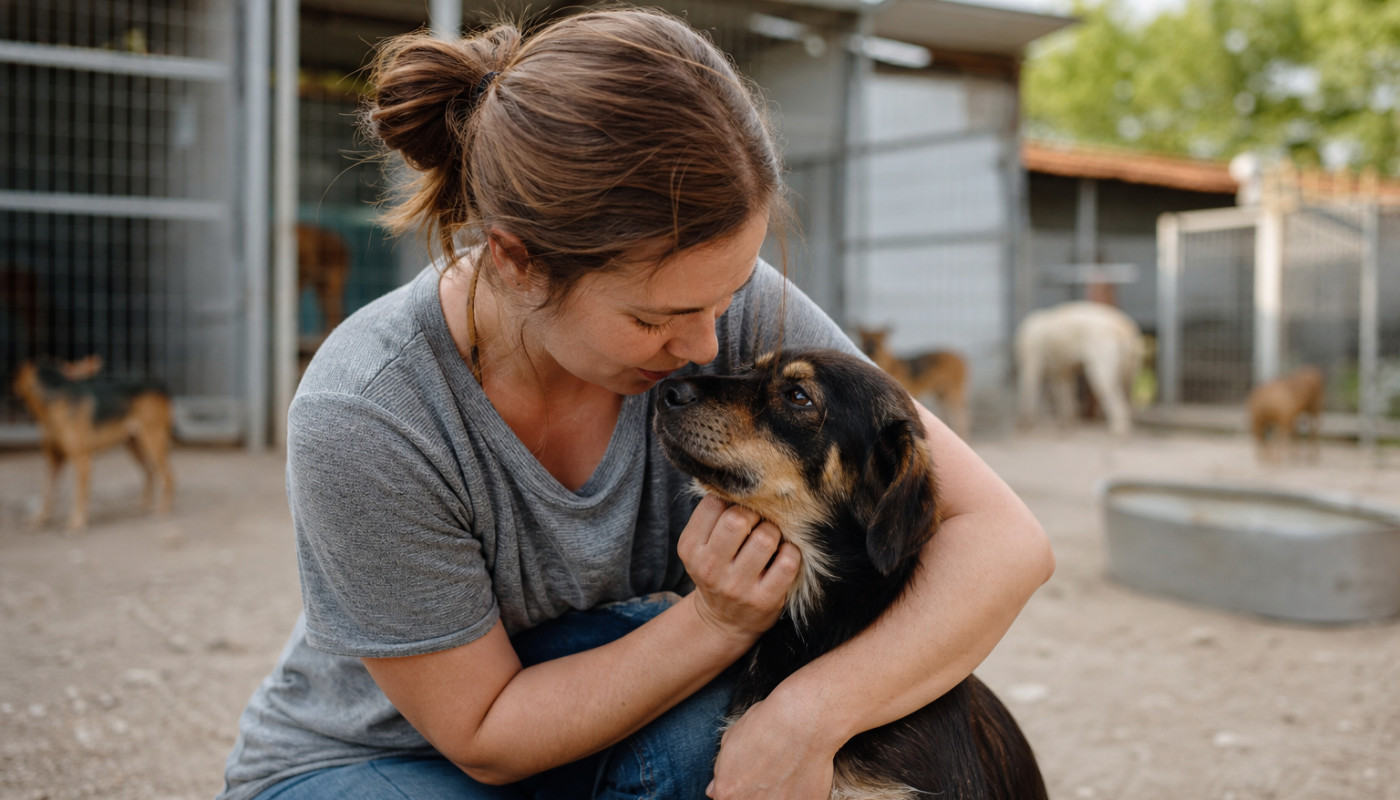
Across the UK and much of Europe, animal welfare groups are reporting a familiar squeeze: more pets arriving, fewer adopters stepping forward and everyday costs that keep climbing. Behind the headlines sit quieter decisions made in kitchens and community halls, where volunteers weigh burnout against one more intake, and where some people still choose to start something new. Why open another shelter when established charities are already stretched, and when regulations, staffing and veterinary bills can overwhelm even seasoned operators? The answer lies in a mix of local gaps, hard data and a stubborn moral impulse.
When the local system leaves gaps
Start with geography, because animal welfare is intensely local, and the gaps are often visible long before they appear in national statistics. Councils in the UK have statutory duties around stray dogs, yet the practical reality of kennelling capacity, transport, out-of-hours provision and onward rehoming varies sharply between areas, and that patchwork creates pressure points where people feel compelled to act. The RSPCA, for example, has warned repeatedly about rising demand for its services, and in recent annual reporting it has described increasing numbers of animals needing help alongside the knock-on effects of living-cost pressures; that national signal often translates into a very specific local scene: one overwhelmed warden, one vet practice offering discounted neutering that still cannot meet demand, and one informal network of fosterers suddenly carrying the workload of a formal service.
Those “service deserts” are not always about a complete absence of provision, they are often about mismatch. A region may have a dog rescue but no cat-specific capacity, or a shelter might accept healthy animals but be unable to take those requiring behavioural rehabilitation, isolation for infectious disease, or long-term medical care. People setting up new shelters frequently point to that mismatch, and it is not anecdotal hand-wringing; it aligns with what many welfare organisations highlight as a driver of relinquishment and abandonment: the availability of suitable, affordable help when owners hit a crisis. The welfare pipeline depends on timing, and if a family cannot find a space quickly, the probability of an animal being abandoned, or passed through unsafe informal channels, rises.
There is also a “trust gap” that can be just as powerful as a capacity gap. Communities sometimes lose confidence in existing provision after a high-profile closure, a funding scandal, or simply because intake criteria tighten during busy periods, and then local residents, vets and small donors ask the same question: if not them, who? New shelters are often born from those conversations, especially when a small group believes it can offer more transparency, more specialised expertise, or more culturally competent outreach, such as multilingual adoption support in diverse areas. The impulse is practical rather than romantic, and it is rooted in a perception that the local system, however well-intentioned, is not meeting the moment.
Cost-of-living pressures hit pets too
The economics are hard to ignore, because they show up at every stage of the shelter story, from intake to rehoming. In the UK, inflation in recent years has pushed up prices for energy, food and transport, and that same pressure affects pet owners and shelters alike. Welfare groups have noted an increase in calls linked to financial hardship, and more households trying to cope with veterinary bills that can jump quickly from routine care to four figures when emergencies strike. Even with pet insurance, exclusions and excesses can leave owners exposed, and as discretionary income tightens, the margin for coping shrinks.
That pressure becomes a driver for new shelters in two opposite ways, and the contradiction is telling. On one hand, rising costs cause more relinquishments, so community members see the need and respond, setting up new rescue capacity, foster networks and food-bank style support for pet owners to prevent surrender in the first place. On the other hand, higher costs make existing shelters scale back, especially smaller ones that cannot absorb higher energy bills for heating and cleaning, or rising veterinary fees for neutering, vaccination, parasite treatment and dental work. When a long-standing rescue reduces intake, the slack does not disappear, it lands elsewhere, and in many areas it lands on informal networks that then formalise into new charities or community interest organisations.
The data picture is not neat, because the UK shelter landscape is fragmented, yet the direction of travel is widely reported: more animals needing help and fewer resources to go around. Veterinary and welfare professionals often describe a “queue” effect, where animals remain in foster placements or temporary accommodation longer than planned, and that slows the flow of rehoming, increases per-animal costs, and makes capacity problems appear suddenly. People who go on to create new shelters often start by trying to plug one small leak, a handful of emergency fosters, a food appeal for struggling owners, a transport rota to get animals to appointments, and then realise they have unintentionally built the nucleus of a shelter operation.
What pushes them over the line is usually one sharp moment, not a gradual drift. A family is turned away because there is no isolation kennel, and the animal’s condition deteriorates. A local vet stops offering discounted neutering because demand outstrips what the practice can subsidise. A landlord sells a property and several pets need urgent rehoming. These incidents are common enough to form a pattern, and that pattern persuades people that a new shelter is not a vanity project, it is a local infrastructure fix.
The people behind the doors: burnout, grit, duty
No spreadsheet captures the human psychology of animal rescue, yet it is often the decisive ingredient. Many founders are not looking for a “mission” in the corporate sense, they are reacting to repeated exposure to suffering, and to what psychologists might call moral injury: the distress that comes from being unable to help when you believe you should. In rescue work, that might mean seeing animals turned away because capacity is full, or watching social media posts about strays go unanswered, and feeling complicit in the outcome. Creating a new shelter becomes a way to restore agency, and to transform helplessness into a structured response with rules, processes and a stable base.
But the same emotional drivers can also fuel burnout, and paradoxically that is part of why new shelters appear. Volunteers in established organisations sometimes reach a point where internal constraints, bureaucracy, or risk aversion feel like barriers to doing the work effectively. They may want faster decision-making, different rehoming criteria, more emphasis on rehabilitation rather than quick turnover, or a stronger commitment to post-adoption support. Instead of fighting an internal battle, they choose to start something new, often with a small team they trust, and with a model designed to avoid the pain points they experienced elsewhere.
The other psychological driver is community identity, and it is powerful. Shelters are not only service providers, they become civic institutions where neighbours donate blankets, vets offer pro bono hours, schools visit and adopters send updates. In places that have lost other institutions, a local shelter can become a rare, tangible point of shared purpose. That sense of belonging can motivate founders to build a shelter that reflects their community’s values, whether that means prioritising local intakes, offering open days, building education programmes for responsible ownership, or creating volunteering routes for young people and retirees alike.
None of this is cost-free, and founders usually know it. They understand that rescue work brings relentless decision-making, conflict management, and the uncomfortable necessity of saying no. Yet the duty-driven mindset persists, and it is often reinforced by small wins that feel enormous: one dog that stops flinching, one cat that gains weight, one adopter who comes back to volunteer. These moments create momentum, and momentum can become an organisation.
From idea to shelter: what really matters
Romance does not run a shelter, and the most serious founders talk early about governance, money and standards. They plan veterinary partnerships, quarantine procedures, insurance, licensing and record-keeping, and they build safeguarding protocols for volunteers and visitors. In England and Wales, for instance, rehoming activities can intersect with animal welfare law and charity regulation, and any group that handles donations and public trust needs basic financial controls, whether it registers as a charity or operates as another legal form. A shelter is also a biosecurity operation, and lessons from outbreaks of canine infectious diseases and the everyday reality of parasites make isolation capacity and cleaning protocols non-negotiable.
Funding is the make-or-break issue, and founders are increasingly realistic about it. Donations rise and fall with the news cycle, and the cost profile of rescue is front-loaded: health checks, vaccination, microchipping, neutering, dental work and behavioural assessment all arrive before an adoption fee, if an adoption fee is charged at all. That is why many newer organisations build mixed models, combining fostering with limited kennel capacity, running prevention schemes such as pet food banks, and using targeted fundraising for specific cases rather than relying on general appeals. Partnerships help too, and some groups work closely with local authorities, vet practices and other rescues to avoid duplication, share transport and coordinate emergency intake.
Digital infrastructure has quietly changed what is possible. A small team can now manage adoption applications, vet records and volunteer rotas with off-the-shelf tools, and social media allows rapid fundraising, but it also brings reputational risk and scrutiny. Founders who succeed tend to treat communication as accountability rather than marketing, publishing clear criteria, explaining why some animals cannot be taken, and showing how funds are used. That transparency is not only ethical, it is strategic: donors and volunteers stay when they trust what they see.
For readers trying to understand how shelters translate principles into practice, it is instructive to look at organisations that set out their work clearly, including the practicalities of rescue, rehabilitation and rehoming. One example is https://starescue.org.uk/, which provides a window into how modern rescue groups communicate their approach, and how they invite the public to support animals in tangible ways. The details differ by region, but the underlying reality is consistent: successful shelters treat compassion as a system, not a feeling, and they build structures that can outlast the founders’ initial surge of energy.
The final lesson is that “new shelter” does not always mean a new building. Increasingly, it can mean a new network, a new foster-led model, or a new specialist service that relieves pressure on existing facilities. People create shelters when they see a recurring failure point, when the economics of pet ownership collide with fragile welfare capacity, and when the emotional cost of doing nothing becomes higher than the personal cost of trying.
How to help, without guessing
Before donating, ask what the shelter needs now, then give money if possible, because it buys veterinary care, food and transport fast. If you want to adopt, book a visit and be honest about your household, your work schedule and your budget, because mismatches drive returns. Look for local support schemes, and check whether you qualify for low-cost neutering or microchipping.
On the same subject

Exploring The Benefits And Styling Tips For Tiger Eye Stone Bracelets

The Intriguing Role of Microbes in Animal Health
Understanding the Communication Tactics in Bees

Exploring the Complex Social Structures of Meerkats
The Emotional Intelligence of Dolphins: A New Perspective